Commercial-grade IP security, engineered and shipped fast.
IP Security Depot features Axis, Hanwha, Hikvision, Bosch, Ubiquiti, Pelco, and 40+ other commercial surveillance brands. Integrators get spec guidance from working engineers — not a call center — and Net 30 terms on approved accounts.
- Factory-new gear
- Senior specialists
- Fast shipping
- Net 30 & PO
Shop surveillance, access control & networking
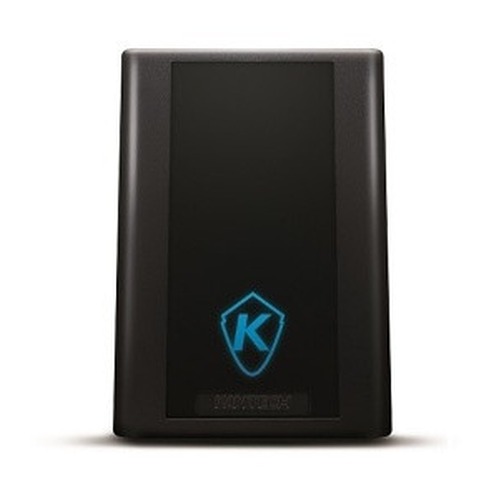
Seven commercial-security categories covering the spec-to-install lifecycle — IP cameras, accessories, access control, networking, intercom, video storage, and warehouse data capture.
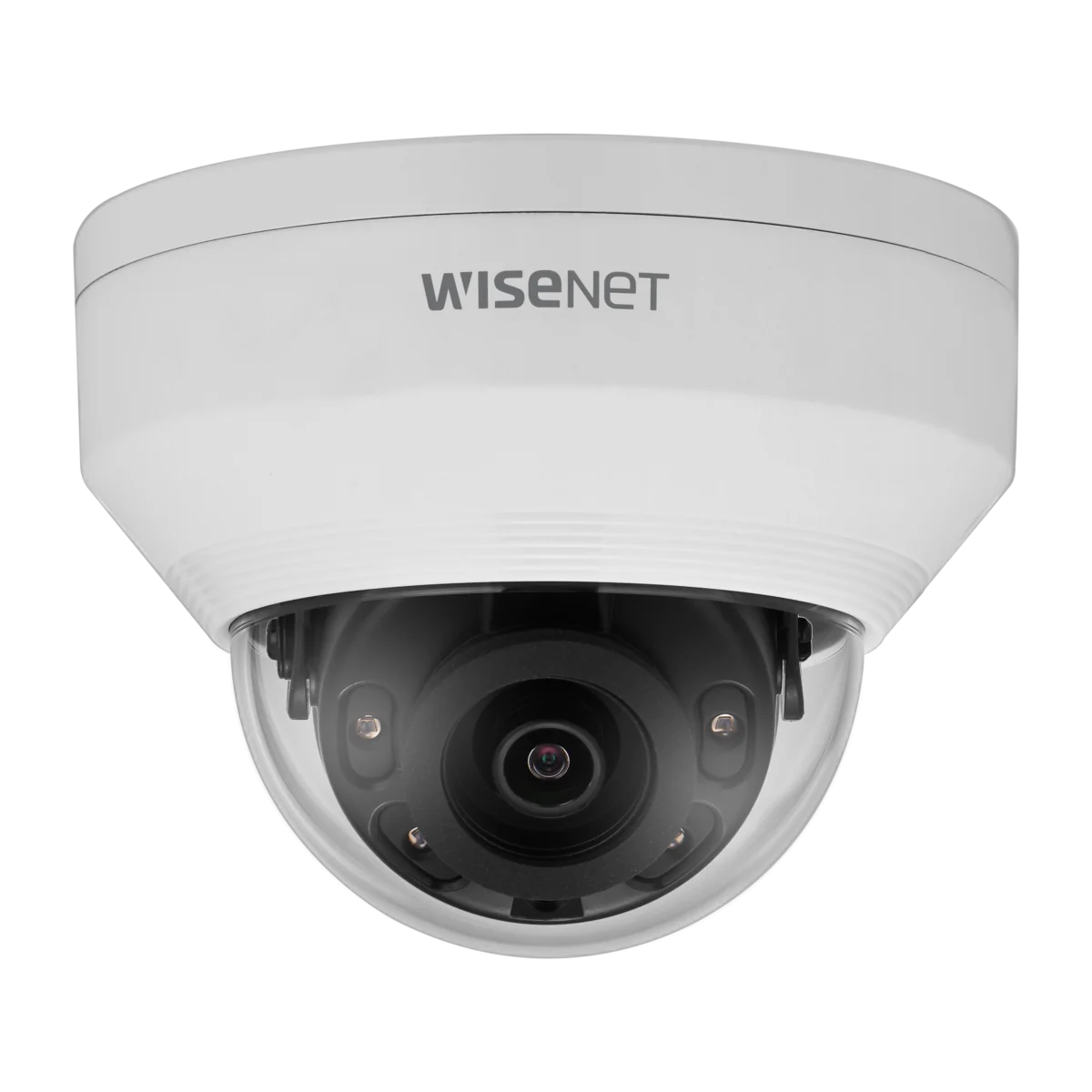
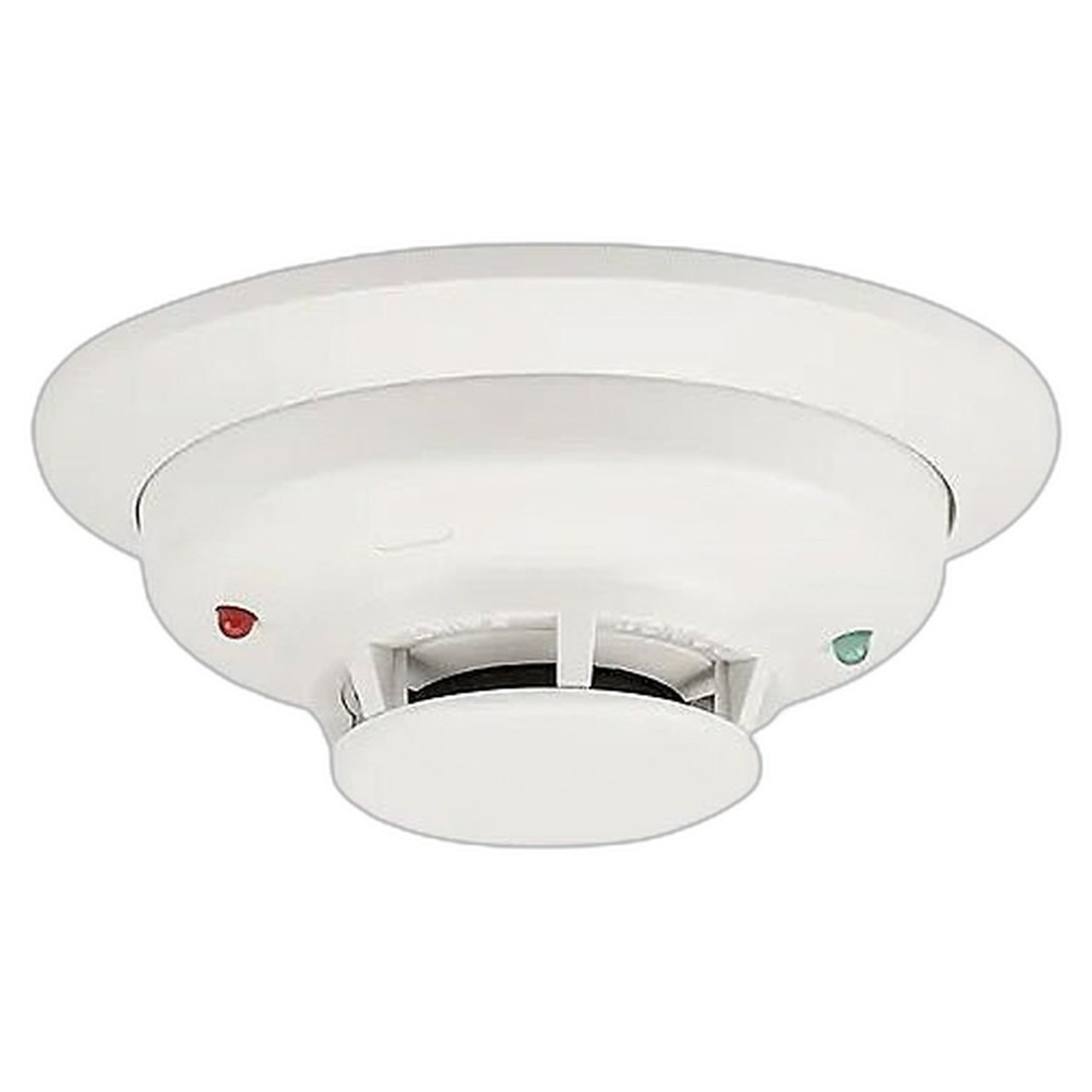
Start your next IP camera install here
Every commercial install starts with the camera call. Outdoor vandal domes, IR bullets, AI-driven PTZs, multi-sensor panoramics — we stock 2,100 across 28 channel-direct brands, and a senior integrator is on the phone if you want a second opinion.
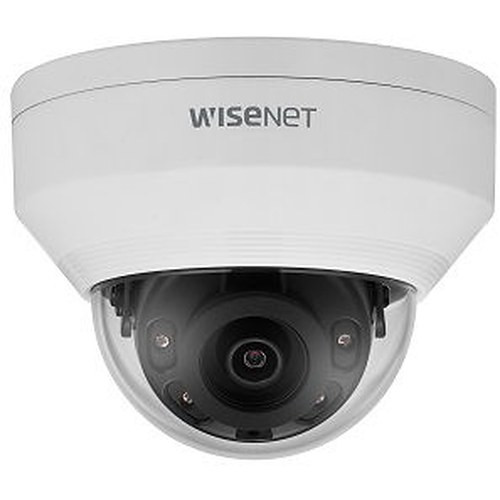
Hanwha ANV-L7012R 4MP High-Resolution Day/Night IR Outdoor Vandal Dome IP Camera
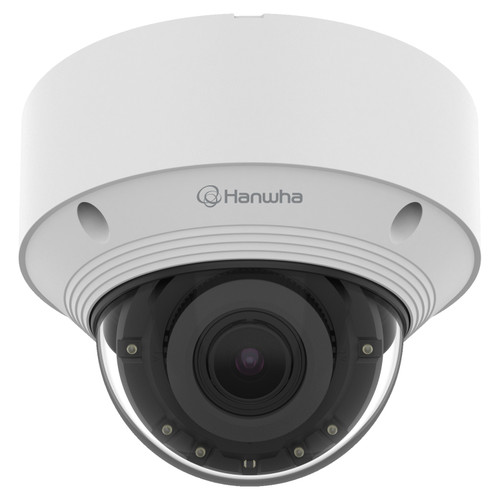
Hanwha QNV-C8083R 5MP AI Outdoor Varifocal Dome Camera
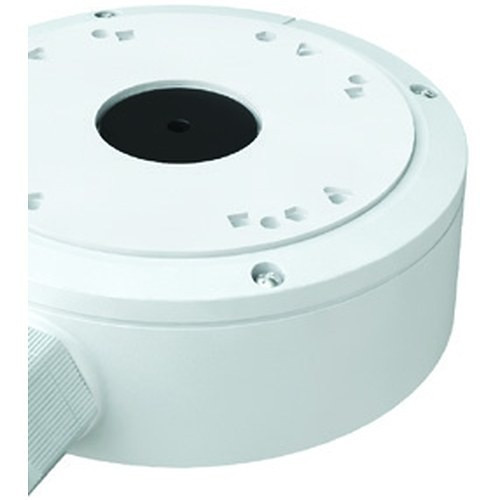
Speco Technologies O4VT2 4MP H.265 IP Turret Camera
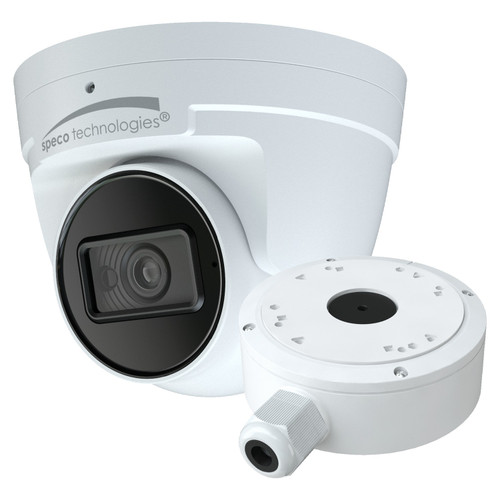
Speco Technologies O8VT3 8MP H.265 IR Turret Camera
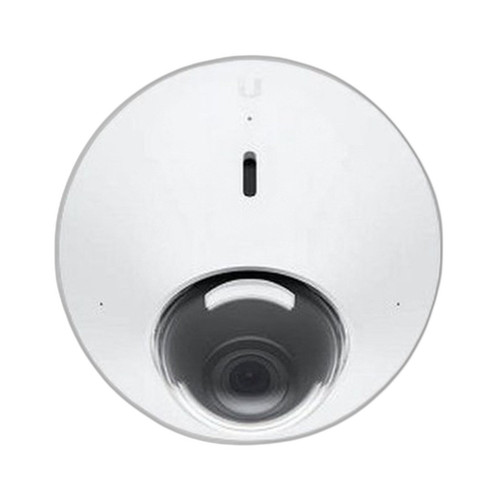
Ubiquiti UVC-G4-DOME 4MP Compact Dome IP Camera
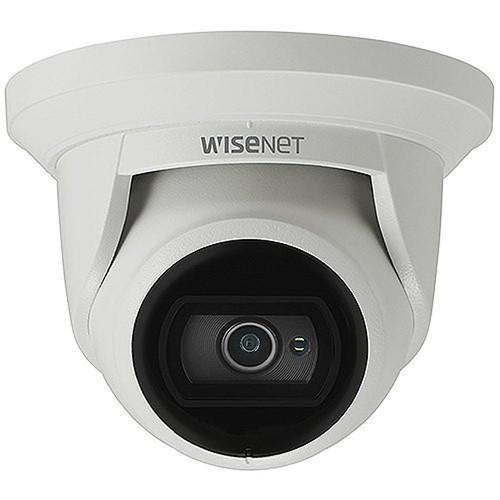
Hanwha ANE-L7012R 4MP Fisheye Outdoor IP Camera
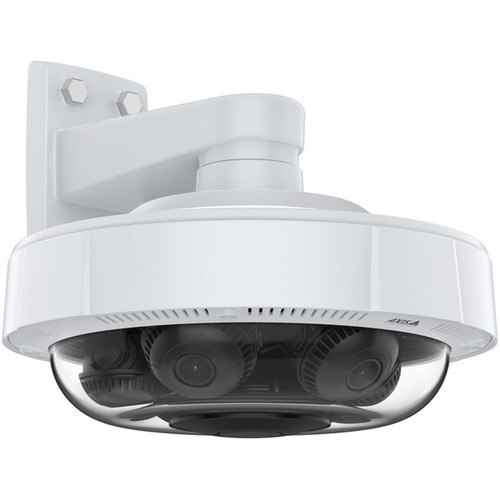
Axis P3737-PLE 20MP Panoramic Outdoor Dome - 02634-001






Surveillance solutions for the industries we serve
Every install is different, but every industry has patterns we've shipped dozens of times. Pick the vertical that matches your project and we'll point you to the cameras, recorders, access hardware, and compliance requirements that apply.
Cannabis & cultivation
State-compliant camera coverage, retention policies, and dual-path recording for dispensaries, grow rooms, and vault areas. We’ve shipped into CO, MI, IL, OK, and NJ regulatory frameworks.
See cannabis guidesAuto dealerships
Lot-perimeter coverage, after-hours theft deterrence, F&I-room compliance recording, and LPR for service drive. Bundles designed for 1-acre through 10-acre sites.
See auto guidesSchools & education
K–12 and higher-ed deployments with SRO-grade cameras, access-controlled vestibules, aggression/gunshot analytics, and integration with your VMS/PSIM. E-rate eligible.
See education guidesMulti-tenant residential
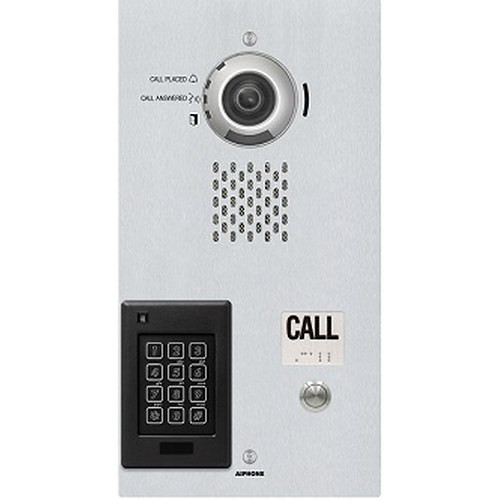
SIP video intercoms, lobby & elevator coverage, garage surveillance, and mobile-device credentials for residents. Specialty lines from 2N, Aiphone, and Axis.
See multi-tenant guidesWarehouses & logistics
Loading dock surveillance, yard management, trailer seals, and inventory-shrinkage deterrence. Pairs cleanly with our Zebra / Honeywell data-capture catalog.
See warehouse guidesHouses of worship
Sanctuary, children’s-wing, and parking-lot coverage built for volunteer-operated environments. Non-profit pricing and Shield/Preventive-Grant documentation on request.
See HOW guidesSenior specialists
Working integrators, not a call center
Factory-new gear
Direct-sourced, full manufacturer warranty
Pre-sales expertise
Spec review, compatibility checks, BOM builds
Trusted since 2014
A decade serving commercial integrators
Surveillance system design, calculators & buying guides
Three hubs built for commercial integrators — free pre-sales expertise, spec-accurate project calculators, and buying guides written by our senior engineers. Paid system design when the scope goes beyond a BOM quote.
Paid system design service
Engineering time at $175/hour — qty 1 = 1 hour. Send us your floor plan, we scope the hours needed, then you purchase. A senior integrator returns camera placement, NVR sizing, BOM, and network topology. Hardware buyers get up to 1 hour ($175) credited back.
- Site surveys & floor-plan review
- Camera coverage & lens selection
- Network & PoE budget planning
- Storage retention sizing
Project calculators
Plan with real numbers, in your browser. Every calculator is keyed to gear we stock, so the output maps directly to a quote — no account or download needed.
- Video retention & storage sizing
- PoE power budget & switch selection
- Camera coverage & field-of-view
- Bandwidth & WAN uplink planning
Buying guides
Plain-English guides written by the engineers on our team — camera selection, NVR sizing, PoE planning, and vertical-specific compliance (cannabis, auto, schools). Practical, not marketing.
- Multi-sensor vs PTZ decision tree
- H.265 vs H.264 in real deployments
- Mounting heights for commercial sites
- Compliance by vertical
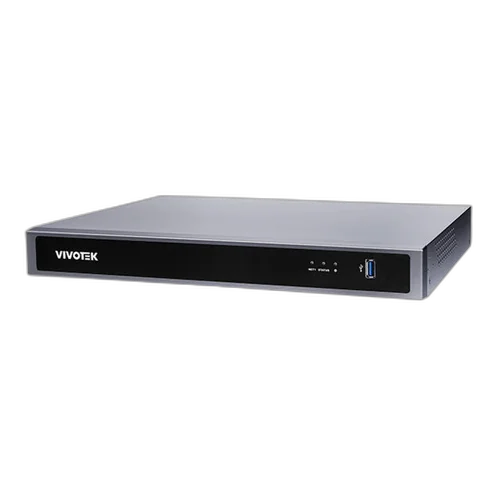
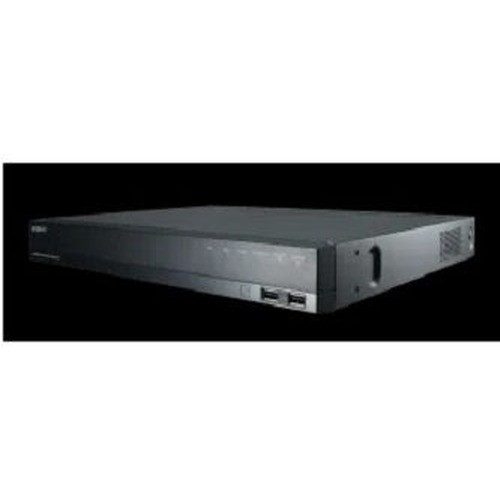
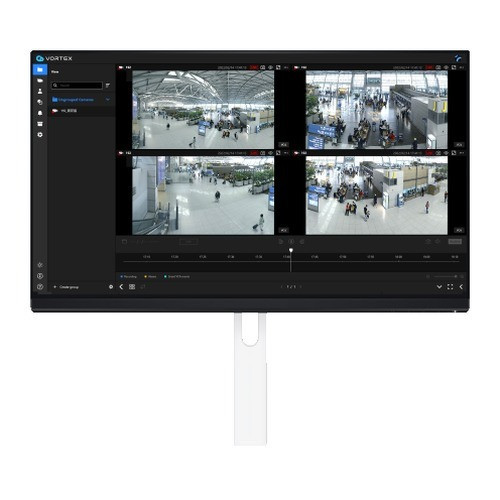
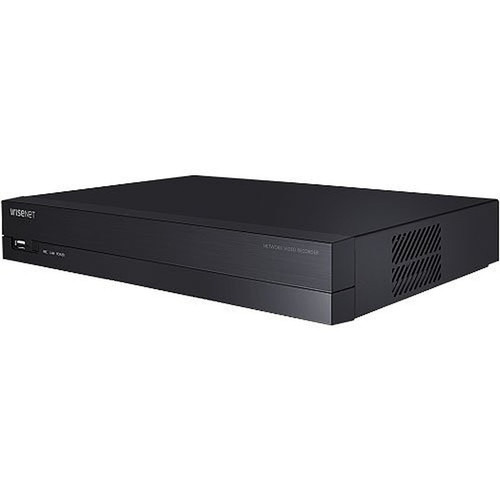
Network video recorders & surveillance storage
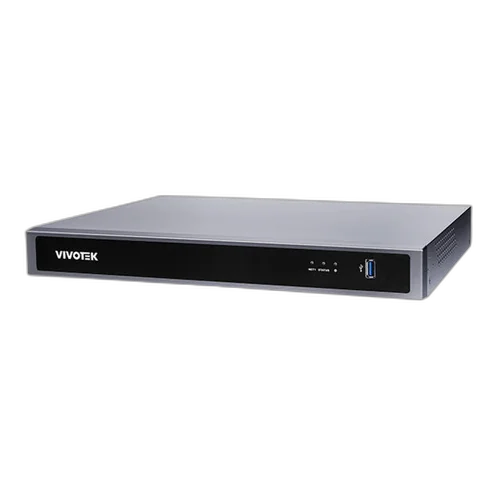
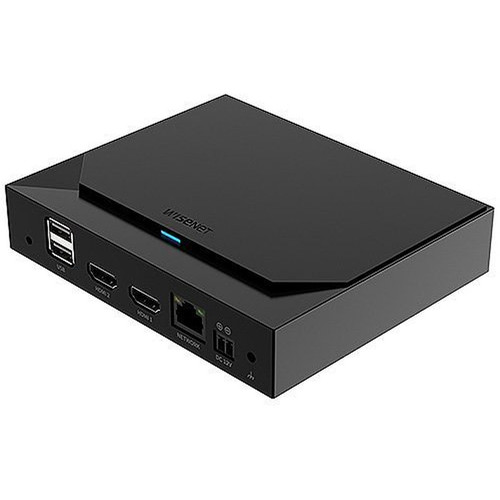
Size the NVR to the camera plan, not the other way around. Channel count, codec support, PoE budget, retention days, and analytics licensing all land here — we stock 1,232 recorders, drives, VMS licenses, and accessories across every major surveillance brand.


Surveillance calculators & project planning tools
Spec-accurate calculators keyed to the IP cameras, NVRs, and PoE switches we stock. Drop in your numbers, get a result that maps straight to a working BOM — no signup, no download.
Enter camera count, resolution, frame rate, codec, recording mode, and retention days — returns required drive capacity, recommended NVR, and surveillance-HDD count. Tuned to our real inventory.
Size the PoE switch, midspan, and redundancy tier. Drop in your camera wattage mix, get a switch recommendation with 30% headroom baked in.
Project surveillance coverage, identification distance, and recognition range based on lens type, mounting height, and field of view.
Featured surveillance products
Top in-stock IP cameras, NVRs, access readers, and networking gear from the brands we stock — factory-new, ready to ship. Swipe or use the arrows to browse.
Hanwha ANV-L7012R 4MP High-Resolution Day/Night IR Outdoor Vandal Dome IP Camera
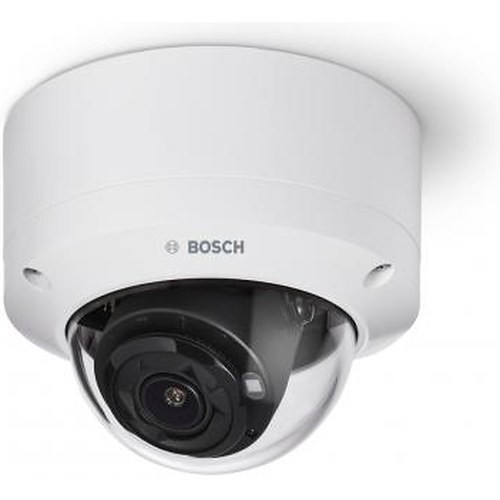
Bosch NDV-5702-A 2MP Indoor Dome Network Camera
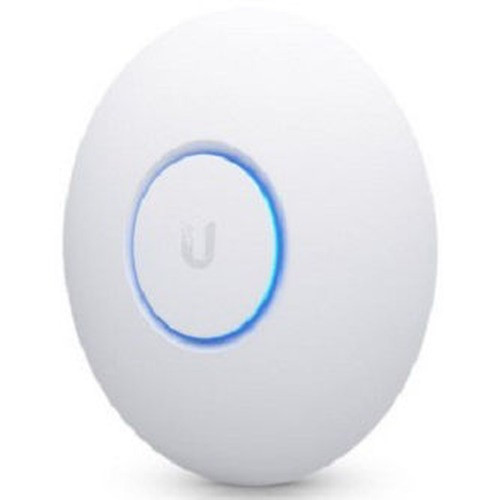
Ubiquiti UAP-NANOHD-US WiFi 5 Access Point
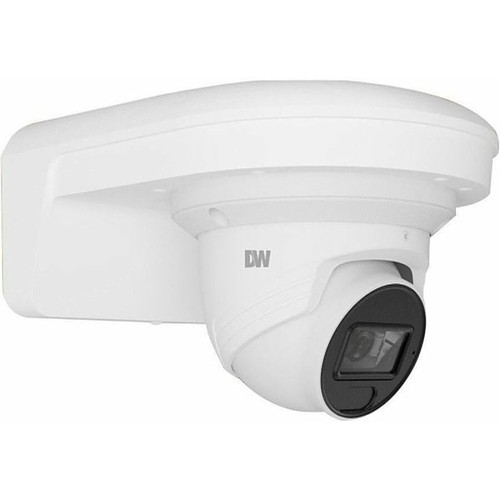
Digital Watchdog DWC-VSTB04Bi 4MP Turret IP Camera
Hanwha ANE-L7012R 4MP Fisheye Outdoor IP Camera
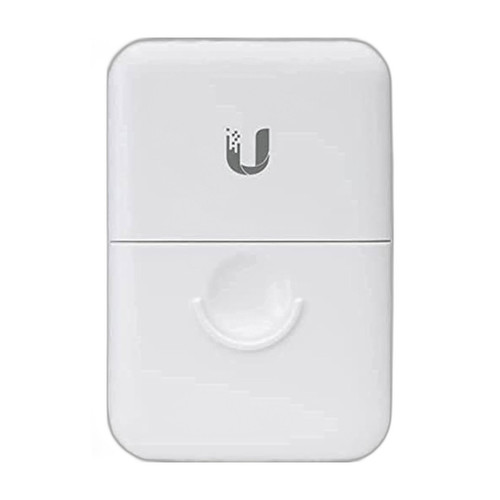
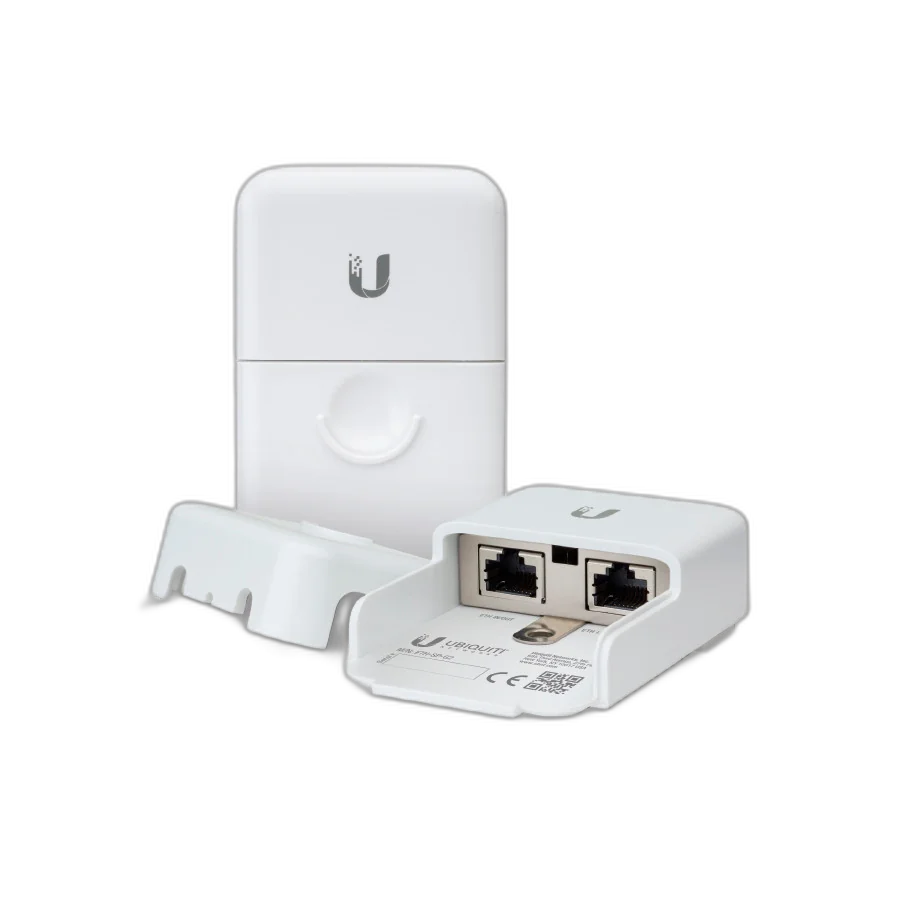
Ubiquiti ETH-SP-G2 PoE Surge Protector

2N EM4100 EMarine RFID 125 KHz Proximity Key Fob - 01396-001
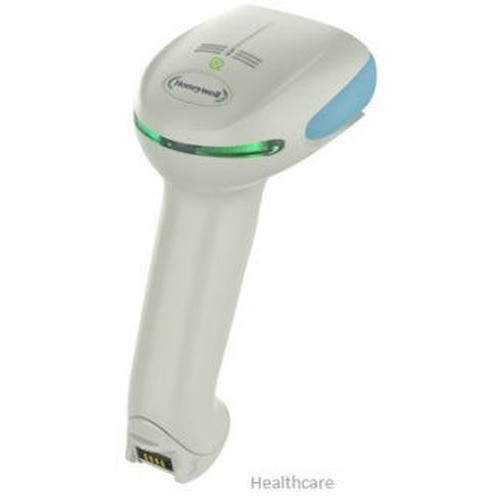
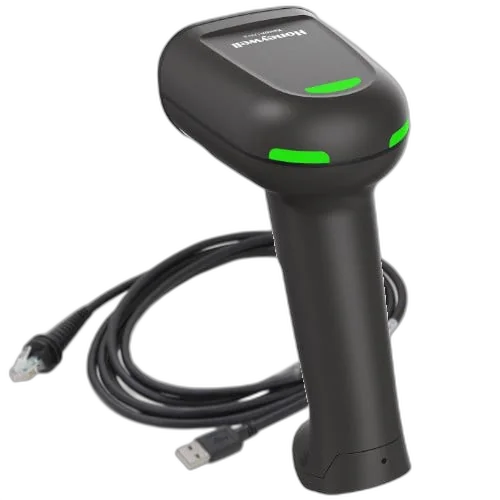
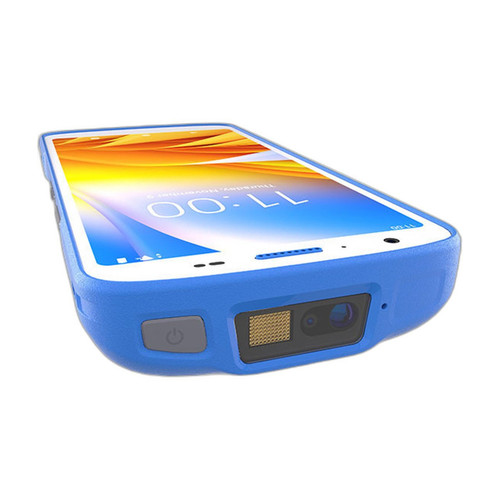
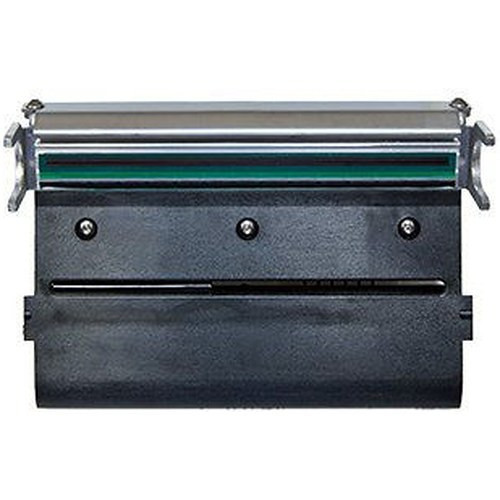
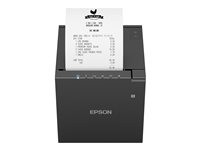
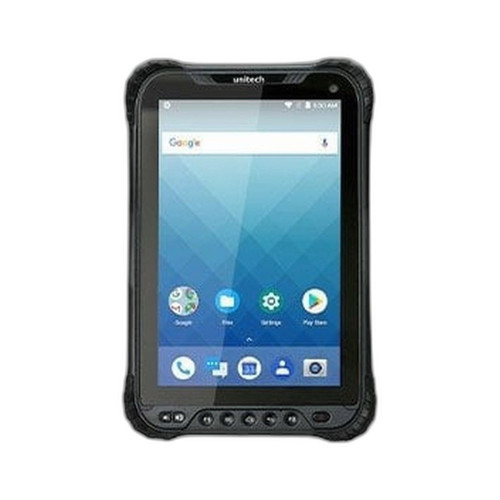
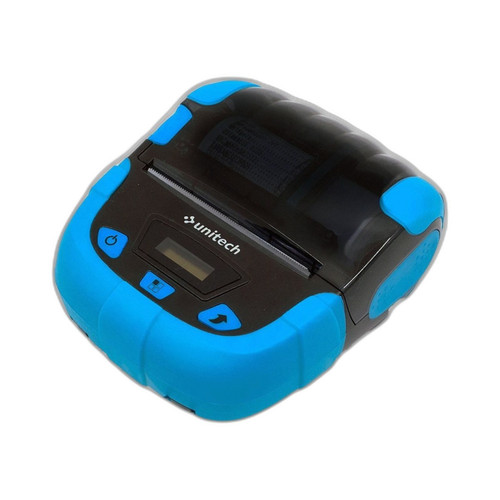
Warehouse barcode scanners, mobile computers & label printers
The other half of what we do — enterprise-grade data capture for 3PLs, distribution centers, retail back-of-house, and field service. 10,678 SKUs across Zebra, Honeywell, Datalogic, Epson, Star, TSC, and nine more brands. Same channel-direct sourcing, same same-day shipping.







Surveillance & security brands we carry
Every product we sell is sourced factory-direct through national US distribution. Factory-new stock, full manufacturer warranty, and no gray-market imports — ever.



Plan your IP surveillance deployment with confidence
Specifying a commercial IP camera system is nothing like buying consumer security gear. Resolution, frame rate, codec, lens selection, IR illumination, environmental rating, analytics, and licensing all interact — and a mistake in any of them shows up months later as a failed PoE budget, a retention policy that doesn't meet insurance requirements, or a warranty call that isn't covered because a gray-market device slipped into the BOM.
We've been selling to commercial integrators since 2014, and we've published the guides below so you can avoid the same mistakes our customers have already run into.
1. Pick the right cameras for your site
Start by mapping coverage goals to camera types. Fixed dome and bullet cameras handle 80% of commercial installs, but they're rarely the right answer for wide atriums (multi-sensor beats PTZ), low-light parking lots (look for Lightfinder-class sensors), or high-traffic entrances where you need license-plate capture. Outdoor-rated cameras need IP66+ and IK10 housings at minimum; thermal cameras solve detection cases where visible light won't work. Our camera selection guides walk through the decision tree for each case.
2. Build a network that keeps up
A camera system is a bandwidth and power system first, and a video system second. Budget your PoE headroom with at least 30% margin using the PoE budget calculator; choose managed PoE+ or PoE++ switches with per-port monitoring for troubleshooting; and use surveillance-grade UPS on NVRs and core switches so a brown-out doesn't corrupt your last 30 days of footage. Smart compression (H.265, Zipstream, WiseStream) can cut your storage needs in half — see the H.265 vs H.264 guide for real-world numbers.
3. Size storage to your retention policy
Retention is the silent killer of most quotes — storage cost grows with camera count × resolution × frame rate × retention days, and it compounds fast. If your retention is dictated by state law (cannabis dispensaries, for example), you need a cushion for growth. If it's insurance-driven, get the policy number attached to the project folder. Use our retention & storage calculator for a site-specific number, then size the NVR chassis to match.
4. Don't forget access control and intercom
Most surveillance projects end up specifying a second system anyway: access control (readers, controllers, electronic locks) for doors and gates, or SIP intercom and paging for multi-tenant buildings and large facilities. Building the BOM together means the low-voltage cabling gets pulled once, the network is sized for both systems at the spec stage, and the same VMS/PSIM ties everything together. We carry 2N, Aiphone, and Axis on the intercom side, and HID, Aiphone, and Axis for access.
5. Call before you commit
Spec questions aren't a sales pitch — they're how a senior integrator catches the problem before a truck rolls. Contact the team with your floor plan or product list and get a second set of eyes on it for free.
See all buying guidesLatest from our engineering team
Real deployment lessons from the senior integrators on our team — what actually breaks, what the spec sheet won’t tell you, and how to plan around it. Short, practical, and written for people who have to install and maintain these systems.
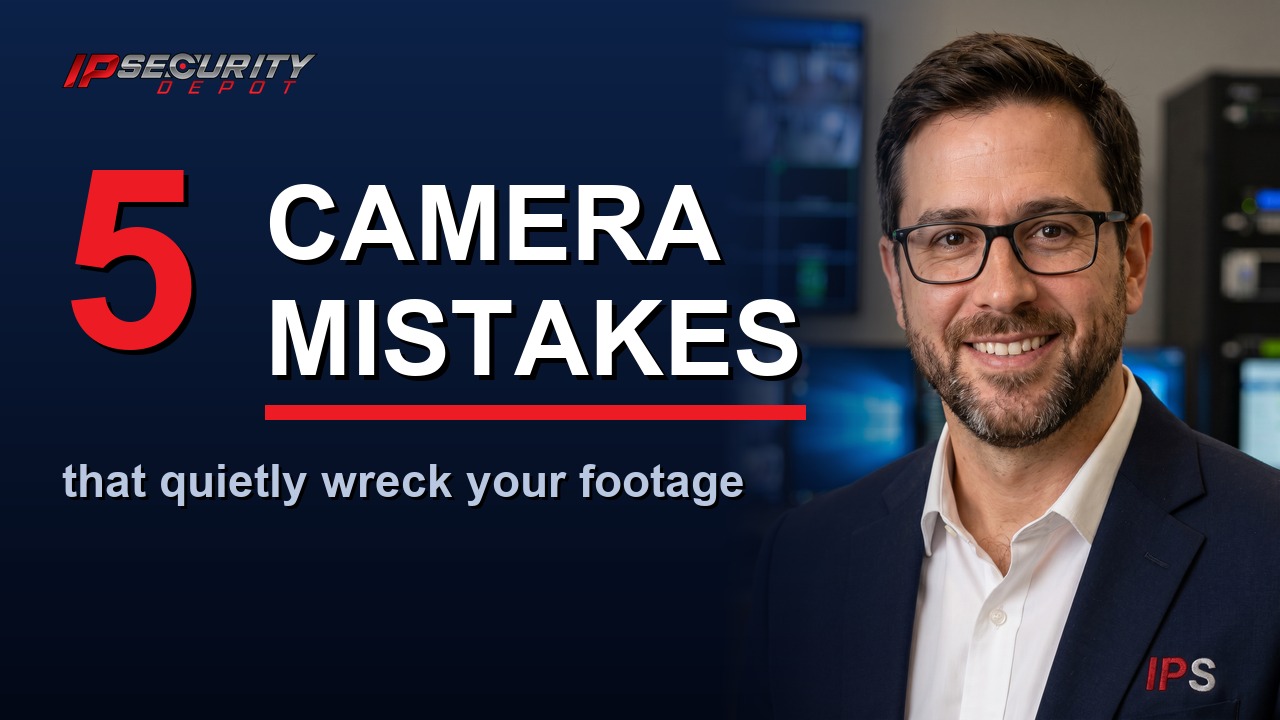
5 security camera mistakes that quietly wreck a project
Most camera projects don’t fail because of the cameras — they fail on five decisions made before anything gets mounted. Here’s each one, walked through on video.

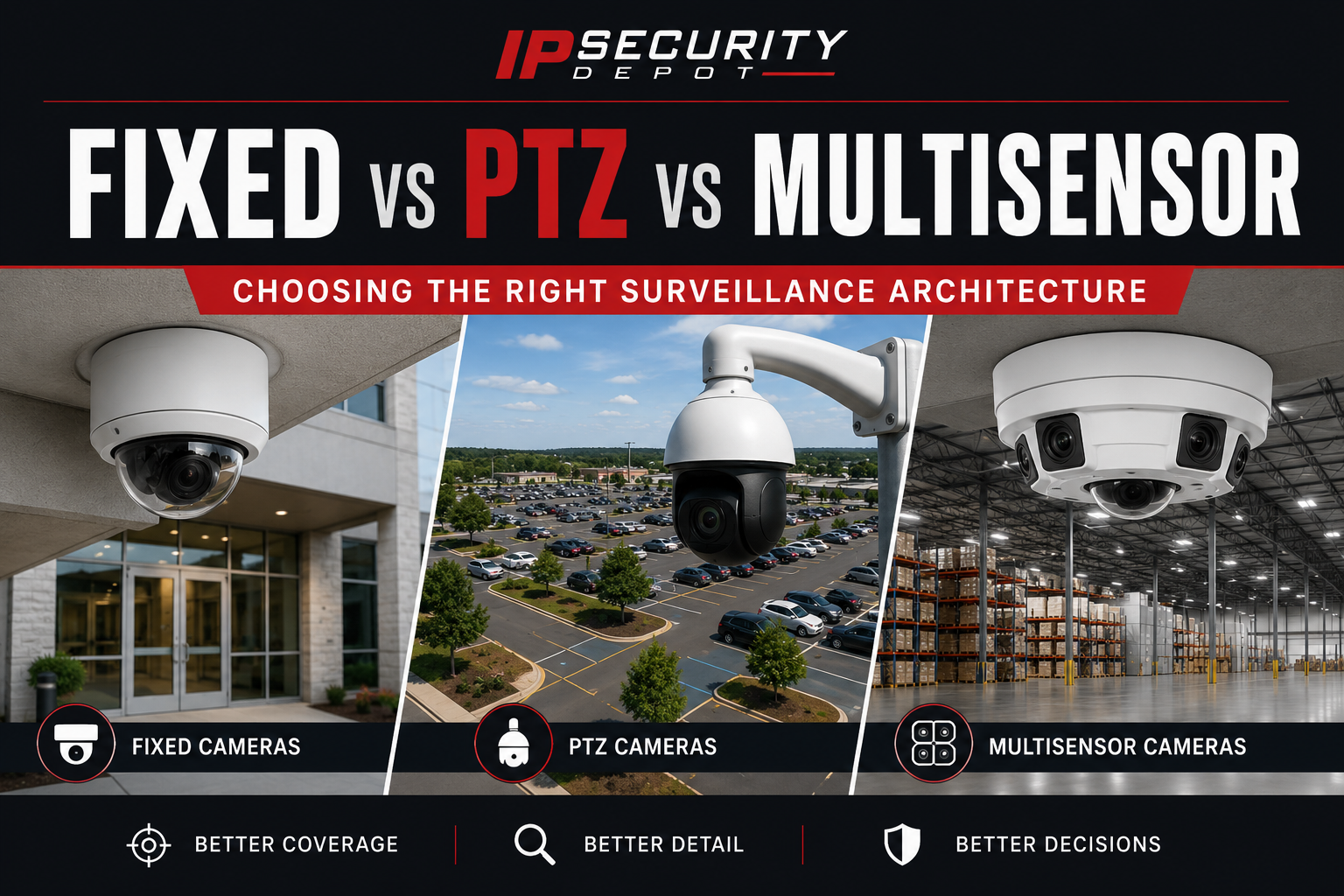
Fixed vs PTZ vs multisensor: which camera should you choose?
A PTZ only records where it’s pointed. A fixed camera never moves. A multisensor sees wide at constant detail. The skill is matching the form factor to the job each position has to do.
Why outdoor camera mounting fails six months in
The bracket holds on day one. Six months later the camera sags, the field of view drifts, and water tracks into the housing. Here’s what the install actually missed.
Flexible payment & fast quote turnaround
We're built for commercial integrators. Pay how your accounting department prefers — and get a formal quote turned around same day if you need one for a customer bid.
Credit cards
Secure, PCI-compliant checkout for Visa, Mastercard, American Express, and Discover. Corporate cards welcome.


PayPal
Pay from your PayPal balance, connected bank, or PayPal Credit — with buyer protection on every order. One-click checkout for repeat buyers.
Secure buyer protection includedNet 30 terms
30-day payment terms for approved integrators, IT departments, and government/education buyers. Apply at checkout or before your first order.
Credit approval requiredSame-day quotes
Email your parts list or project requirements — we turn a formal PDF quote around the same business day. Valid for 30 days, tax-ready, and set up for Net 30 if you're approved.
24-hour turnaround guaranteedNo bots, just experts.
Free pre-sales support for every customer — product questions, BOM quotes, compatibility checks, price confirmation — answered by a senior specialist within one business day. Paid services available like full system design, remote installation, and more. Engineering design time is $175/hour (qty 1 = 1 hour). Hardware buyers get up to one hour ($175) credited back on their order.